
When AI tools started predicting who might be arrested for sex work based on location data, phone patterns, and social media activity, sex workers didn’t just notice-they started adapting. In cities like Paris, where online platforms have long replaced street-based work, AI isn’t just a background tool. It’s a silent enforcer. One French escort working under the name Léa told me last month that she now avoids posting photos after 8 p.m., not because of moral reasons, but because the algorithm behind escortsexe paris flags late-night uploads as "high-risk behavior." She’s not paranoid. She’s surviving.
AI systems used by platforms, law enforcement, and even financial institutions are being trained on data that conflates sex work with trafficking, poverty with criminality, and visibility with danger. These models don’t distinguish between someone choosing to work independently and someone being coerced. They see patterns: a person who moves between hotels, uses encrypted messaging, accepts cryptocurrency payments, or posts in French-like an escorte française paris-and they label it as suspicious. The result? Accounts get banned, bank cards get frozen, and GPS data gets shared with police without warrants.
How AI Sees Sex Work-And Why It’s Wrong
Most AI models used in public safety or financial monitoring were trained on datasets that include police reports, arrest records, and flagged online ads. These datasets are biased. They reflect decades of over-policing in marginalized communities, not actual crime rates. A 2024 study from the University of Toronto analyzed over 12 million online ads for adult services across Europe and North America. It found that AI systems were 3.7 times more likely to flag ads posted by Black and migrant sex workers, even when their language, pricing, and location matched those of white, native-born workers.
The problem isn’t just accuracy-it’s intent. These systems weren’t built to protect people. They were built to reduce liability for platforms and to make policing easier. When a site like Backpage shut down in 2018, companies rushed to replace it with AI-powered moderation tools. But instead of asking, "How do we keep sex workers safe?" they asked, "How do we make this invisible to law enforcement?" The answer was automation. And automation doesn’t care about context.
Real-World Consequences: From Ban to Bankruptcy
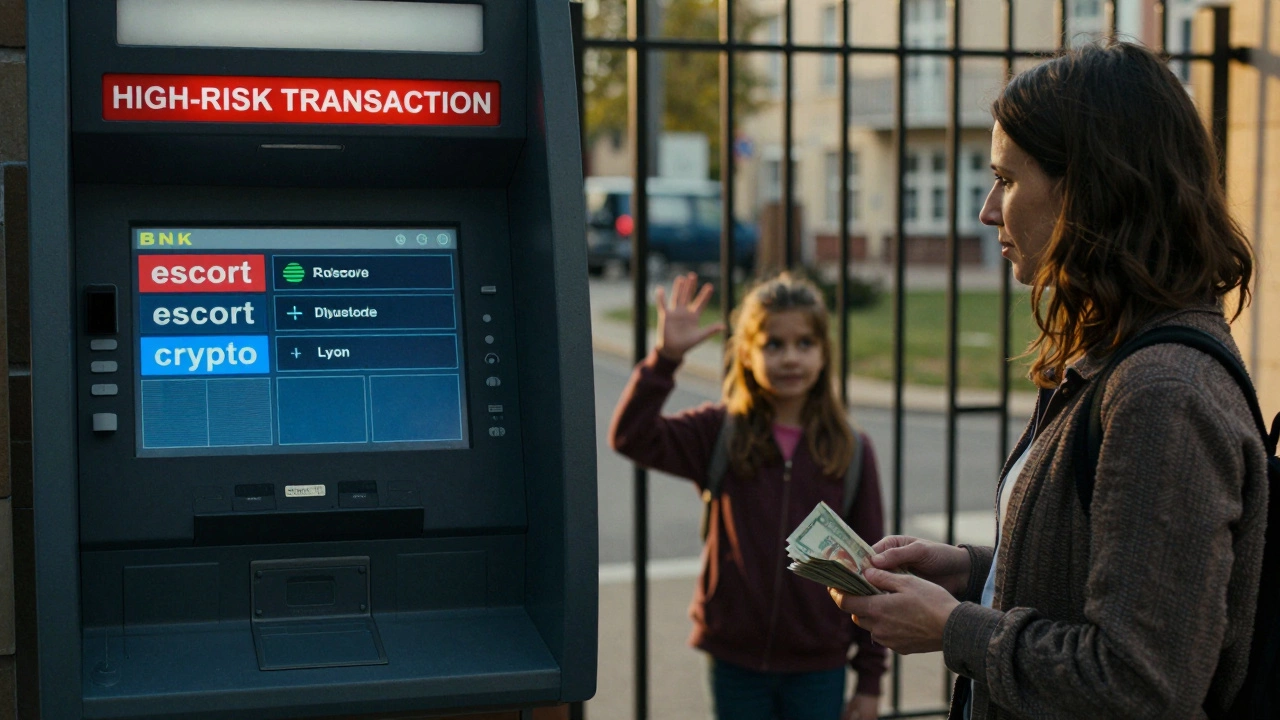
Maria, a single mother in Lyon, used to earn enough to pay her rent and her daughter’s school fees through an independent website. She never used third-party platforms. But last year, her PayPal account was frozen after an AI flagged three transactions as "high-risk." She had no way to appeal. The system didn’t ask for ID, proof of service, or even a reason. It just saw recurring payments from the same IP address, labeled her as a "prostitution operator," and cut her off. She lost $14,000 in savings trying to get it reversed. Today, she works under the radar, cash-only, and only with people she knows through trusted networks.
This isn’t rare. In 2025, a survey by the Global Network of Sex Work Projects found that 68% of sex workers in EU countries reported at least one financial disruption caused by AI-driven account freezes or payment denials. Banks like HSBC, BNP Paribas, and even fintech apps like Revolut now use AI tools that automatically block transactions tied to keywords like "escort," "companionship," or "private meeting." Even the phrase "escorte pa"-a common shorthand in France-triggers alerts.
The False Promise of "Safety" Tools
Some companies claim they’re building AI tools to help sex workers stay safe. There are apps that use facial recognition to verify clients, or chatbots that screen for red flags in messages. But these tools often come with hidden costs. One app, called SafeMeet, required users to upload government ID and live video scans. Within months, police in Marseille began using the database to cross-reference known sex workers. The app’s creators said they didn’t intend that-but they didn’t stop it either.
AI doesn’t have morals. It has patterns. And when those patterns are built on flawed data, the outcome isn’t safety-it’s surveillance. Sex workers who try to use these tools end up creating digital footprints that law enforcement can easily trace. What’s meant to protect often becomes a trap.
How Sex Workers Are Fighting Back
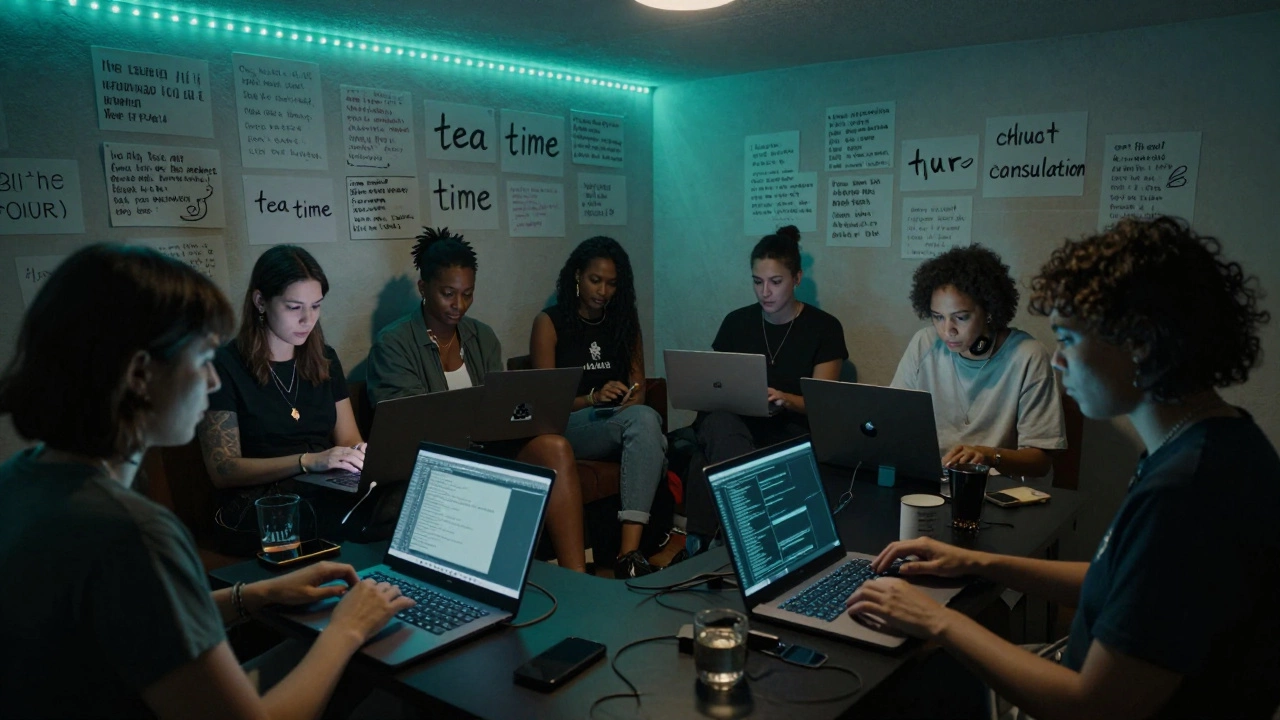
Despite the risks, sex workers aren’t passive. In Berlin, a collective called Digital Autonomy built a decentralized platform that runs on peer-to-peer networks, avoiding centralized servers that can be hacked or monitored. In Montreal, workers started using coded language in ads-"tea time" for private sessions, "art consultation" for photoshoots-to bypass keyword filters. In Paris, some have begun using offline meetups organized through encrypted group chats, cutting out digital traces entirely.
They’re also suing. In late 2024, a group of French sex workers filed a class-action lawsuit against two major payment processors, arguing that their AI systems violated EU anti-discrimination laws. The case is ongoing, but it’s the first of its kind to treat algorithmic bias against sex workers as a civil rights issue-not a moral one.
The Bigger Picture: AI Doesn’t Care Who You Are
AI systems don’t know the difference between a college student selling nudes to pay rent and a trafficked minor. They don’t understand consent, autonomy, or economic survival. They only see what’s been fed into them: old arrest records, moral panic headlines, and the assumptions of people who’ve never met a sex worker.
And yet, these systems are being rolled out everywhere. From Airbnb blocking listings near red-light districts, to Uber’s driver screening tools flagging riders who frequent massage parlors, to credit scoring models denying loans based on neighborhood data-AI is rewriting the rules of economic participation for people already on the edge.
One sex worker in Marseille summed it up: "They think they’re cleaning up the streets. But they’re just cleaning us out."
It’s not about banning technology. It’s about who gets to design it. Right now, the people building these systems rarely consult the people most affected. That’s changing. More sex workers are joining tech ethics panels, training AI models with real-world data, and demanding transparency. They’re not asking for pity. They’re asking for agency.
What Comes Next?
The next wave of AI tools will likely include voice analysis to detect "coercion" in phone calls, or emotion recognition to judge whether someone is "genuinely consenting" during a video call. These technologies are already in testing. And they’re being sold as solutions to human trafficking.
But if we don’t demand accountability, they’ll just become more efficient tools of control. The same AI that blocks a payment for an escorte française paris could soon block a donation to a sex worker’s fundraiser, or flag a nurse who works nights as a "high-risk profile."
The line between safety and surveillance is thin. And right now, it’s being drawn by algorithms that don’t understand the human cost.